Albergue el Hacedor


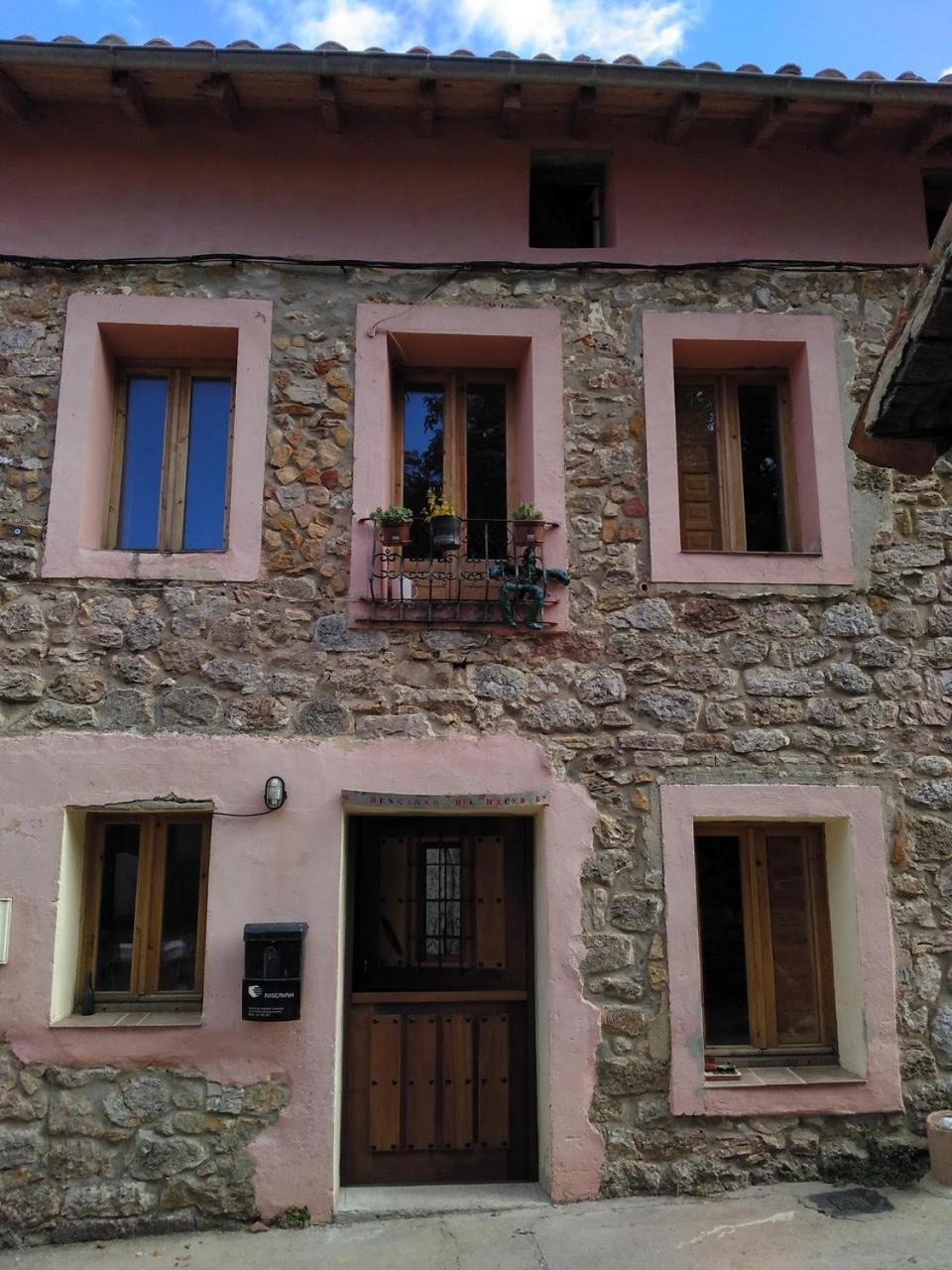
Albergue el Hacedor is located in La Aldea del Portillo de Busto. Among the facilities at this property are a shared kitchen and luggage storage space, along with free WiFi throughout the property. The hostel features family rooms. At the hostel, each room comes with a wardrobe. At Albergue el Hacedor each room is fitted with bed linen and towels. Guests at the accommodation can enjoy a continental breakfast. Guests at Albergue el Hacedor will be able to enjoy activities in and around La Aldea del Portillo de Busto, like hiking. Miranda de Ebro is 39 km from the hostel, while Haro is 49 km away. The nearest airport is Vitoria Airport, 63 km from Albergue el Hacedor.
Book a room
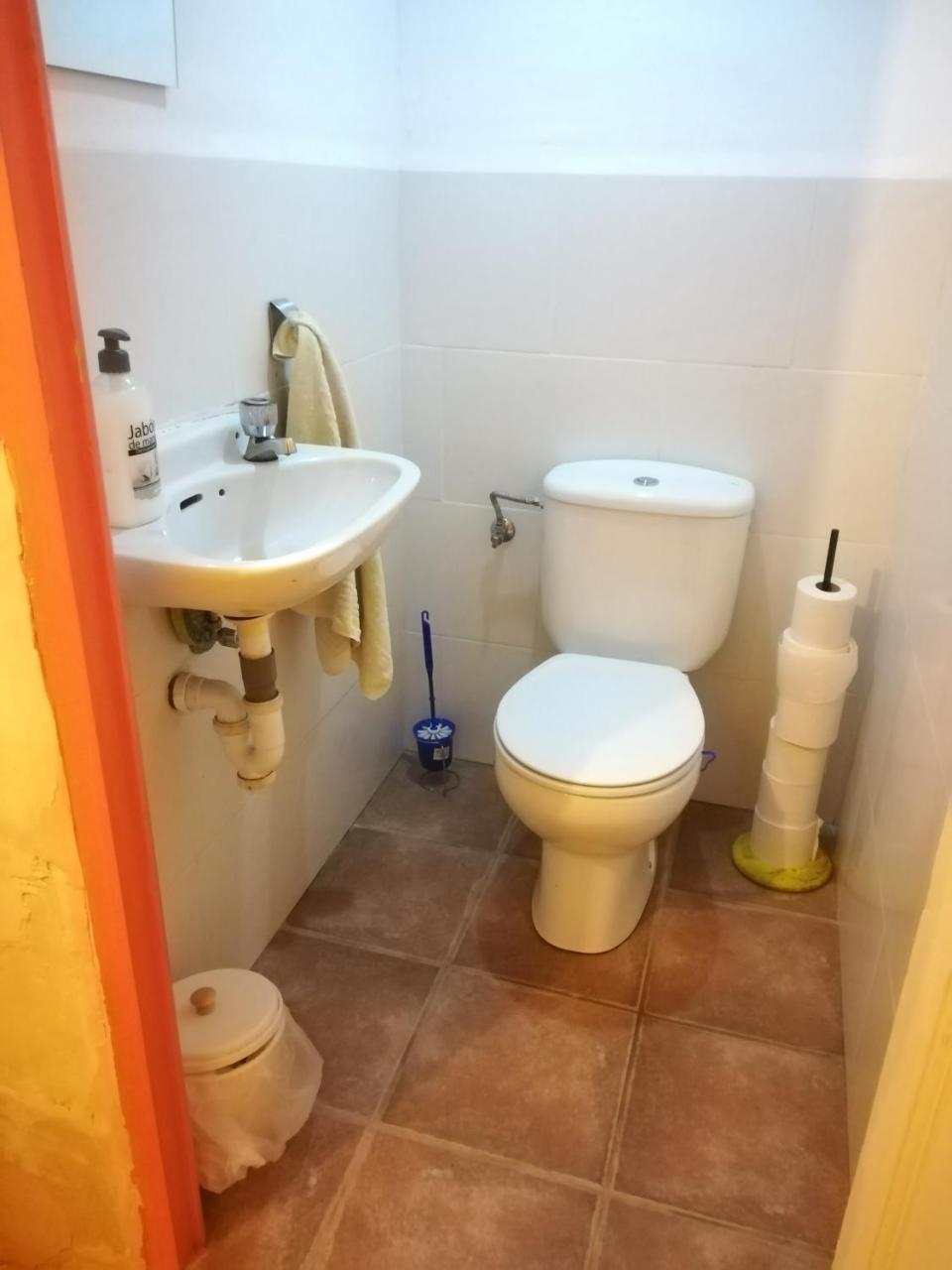

See more photos
Booking.com
What to see in Busto
A bust is an artistic representation of the top of the human body. It can be a sculpture, paint, drawing or engraving. Includes the head, shoulders, birth and chest, or part of it. It is not considered a partial fragment of a work, but is, in itself, the complete work.
The art of representing by bust comes from ancient times, and although there are copies of ancient Egypt (really, they were funeral heads or workshop models), and of ancient Greece, it was during the Roman Empire when characters began to be represented profusely bust. Generally, the represented is an importance of importance. To maintain the character's memory, the busts were carved in durable materials such as marble, bronze or granite.
Bustos are one of the oldest ways that men served to represent the gods and the heroes. The Romans used to place in the lobby of their houses, known under the name of ATRIO, the busts or portraits of their deceased relatives, each with an inscription that indicated the name, the nickname and its quality, representing them with their ordinary dress or with that of the greatest dignity with which they had been decorated. These busts, preserved within a kind of cabinets that opened in certain days, were made to take part in all the events of the house, happy or infamous, through their mourning or party dresses that moved them according to the circumstances.